When a line goes down, the clock gets loud. Operators crowd the HMI, maintenance digs for spares, supervisors call the machine shop, and production watches orders slip. After a few of those nights, you start designing machines differently. Maintainability stops being a line in a spec and becomes a philosophy that shapes every bracket, enclosure, and line of code.
I’ve spent years working with contract manufacturing teams, steel fabricators, and control engineers to build custom industrial equipment that actually stays running. The best designs are rarely the most exotic. They are the ones that anticipate grime, fatigue, misuse, and turnover, then make the right failure cheap and fast to recover. Below is how I think about maintainability and uptime from concept through commissioning, with practical choices that pay off in real plants.
Start at the maintenance aisle, not the CAD screen
Before opening the design tool, walk the shop floor where the equipment will live. Not a tour, a day. Watch how operators clear jams and how the welding company stores consumables. Look at the space around machines that require daily attention. Talk to the person who changed a gearbox under the mezzanine last week. Note crane reach, forklift paths, and where the cleaning team actually cleans. A design that fits on a drawing and a design that fits this reality are different things.
I once watched a crew pull a 90-pound servo from a packaging cell using a ratchet strap and a step ladder because the OEM hadn’t allowed a hoist point and the machine sat under a low beam. That servo failed a second time from rough handling during removal. A $50 lifting eye could have saved thousands in repeat downtime. That kind of detail only appears when you anchor design in the lived workflows of a metal fabrication shop and production team.
Architecture that isolates failure
Uptime is won or lost in how you partition the system. In custom industrial equipment manufacturing, modularization is not a buzzword, it is your containment strategy. Make it so that one failure does not take the whole cell down.
Divide machinery into units with clear boundaries. A feeder that can be bypassed, a process station that can be swapped, a control zone that can be isolated. This requires thought in the early layout. For example, if two stations share a single vacuum pump and manifold, one leak drags both stations. Two smaller pumps, each local to its station with quick-disconnects and isolation valves, reduce interdependence. Yes, it might cost more up front. Compare that to a line stoppage during peak season.
When possible, design interface plates and locating features that allow a station to be removed and reinstalled repeatably. A good steel fabricator will machine dowel holes into weldments to hold positional accuracy. In a shop that handles cnc metal fabrication and cnc metal cutting in-house, you can maintain tight tolerances between modules. Use that capability. Make the module a product, not a welded guess.
Access beats elegance
Hidden fasteners look clean in renderings. They become curses when someone is trying to free a seized gearbox at 2 a.m. with limited lighting. Prioritize access. That includes visibility, reach, and tool clearance. If a component is a wear item, it should be serviceable without disassembling the machine into a thousand pieces. Swing-out panels, removable guards with captive hardware, hinged operator platforms, and lighting that points where hands go are not luxuries.
Panel access is often overlooked. Use full-height doors where space allows, and keep the inside of electrical enclosures laid out for service, not just first build. Every control wire should be labeled on both ends with durable markers. DIN rail components should have a finger-width gap for a puller. Document a wireway plan that separates power and signal, keeps spare terminals accessible, and leaves a reserve for future I/O. A control panel designed by an industrial design company with an eye for craftsmanship is nice to look at; a panel arranged by a maintenance tech is nicer to live with.
Standardization as a strategy
Standard parts shorten downtime. They also simplify training and inventory, and they make phone calls shorter. Early in the project, lock a component library with the plant’s preferred vendors. If the facility uses a specific line of contactors, VFDs, photoeyes, and pneumatic valves, stick with them unless there is a compelling engineering reason not to. The best machine is the one you can fix from the crib.
Mechanical standardization matters just as much. Pick a small set of bearing sizes, sprocket pitches, and belt widths that repeat across stations. Tie that back to the capabilities of your machining manufacturer and machine shop. If your machinery parts manufacturer has a proven method for a certain bore and keyway, don’t invent a new one for each shaft. When you need custom metal fabrication, coordinate tapped hole sizes, thread types, and insert preferences so that field replacements stay consistent. And document every substitution you do make, with photos and part numbers in the maintenance manual, not in an engineer’s inbox.
Materials and finishes that match the environment
I once watched a beautiful aluminum frame corrode and pit in a washdown area that was “rarely wet.” It turned out the cleaner mist traveled farther than anyone thought. After three months, ground connections loosened and sensors went flaky. That team rebuilt with 304 stainless, sealed conduit fittings, and proper standoffs to let surfaces dry. The new build cost more, but the ROI came fast.
In steel fabrication for a general industrial environment, powder coat over blasted mild steel is common. Inspect the coating spec carefully. Edge coverage and inside corners matter. Unsealed nuts welded to frames will rust first and fail first. Specify seal-welds where hygiene is critical, and use weep holes and drains where fluid might collect. In hot zones or where abrasives fly, protective skirt plates and sacrificial liners, ideally attached with countersunk screws into replaceable backers, will keep core structure intact. For custom industrial equipment manufacturing that faces chemicals, confirm compatibility in real concentrations and temperatures, not brochure ranges.
Designing for cleanability
Cleaning is maintenance. If your equipment traps debris, oil, or product fines, you have created a hidden failure mechanism. Sloped surfaces, removable catch trays, and sight access where it counts are basic elements. If a vacuum or air knife is part of your process, design it so it can be cleaned and verified daily within minutes. Avoid blind cavities behind guards. Extend the mindset beyond surfaces: cable glands, conduit drops, and pneumatic runs should also be cleanable and protected from drips.
The best time to catch these issues is during the first build at the manufacturer. Before paint, when the weldment is open, do a wet run. Spray the frame with water and see where it sits. This simple test has exposed more traps than any FEA model I’ve ever run.
Fasteners, threads, and torque you can trust
Small choices in fasteners add up in uptime. Use captive screws on guards so you don’t drop hardware into conveyors. Avoid mixed metric and imperial threads wherever possible. Design service interfaces with generous clearance and hex size that fits common shop tools. If a screw is going to be removed frequently, specify thread inserts in softer materials to prevent galling. For high-vibration zones, favor prevailing torque nuts, safety wire, or mechanical locking features over threadlocker alone.
Torque values live and die by accessibility. If a bolt requires a crowsfoot through a slot at a shallow angle, your specified torque is theater. Give maintenance a straight shot. If that means adding a hole in a panel or a removable plug, do it. These are the small favors that prevent stripped threads and seized parts six months later.
Power, pneumatics, and the quiet killers
Everyone notices when a motor fails. Fewer people anticipate the slow strangulation of an undersized air loop. Pneumatic drops often get T’d off wherever convenient, then lose pressure and flow under load. In equipment that depends on high-speed air valves, match your supply to peak demand. Size the main header and distribution lines to keep pressure at point of use within a tight band during worst-case cycle rates. Add local accumulators near high-draw actuators. Include a pressure sensor with high-speed logging so the PLC can capture dips during faults. The data will pay for itself the first time you chase a “bad cylinder” that was really a supply issue.
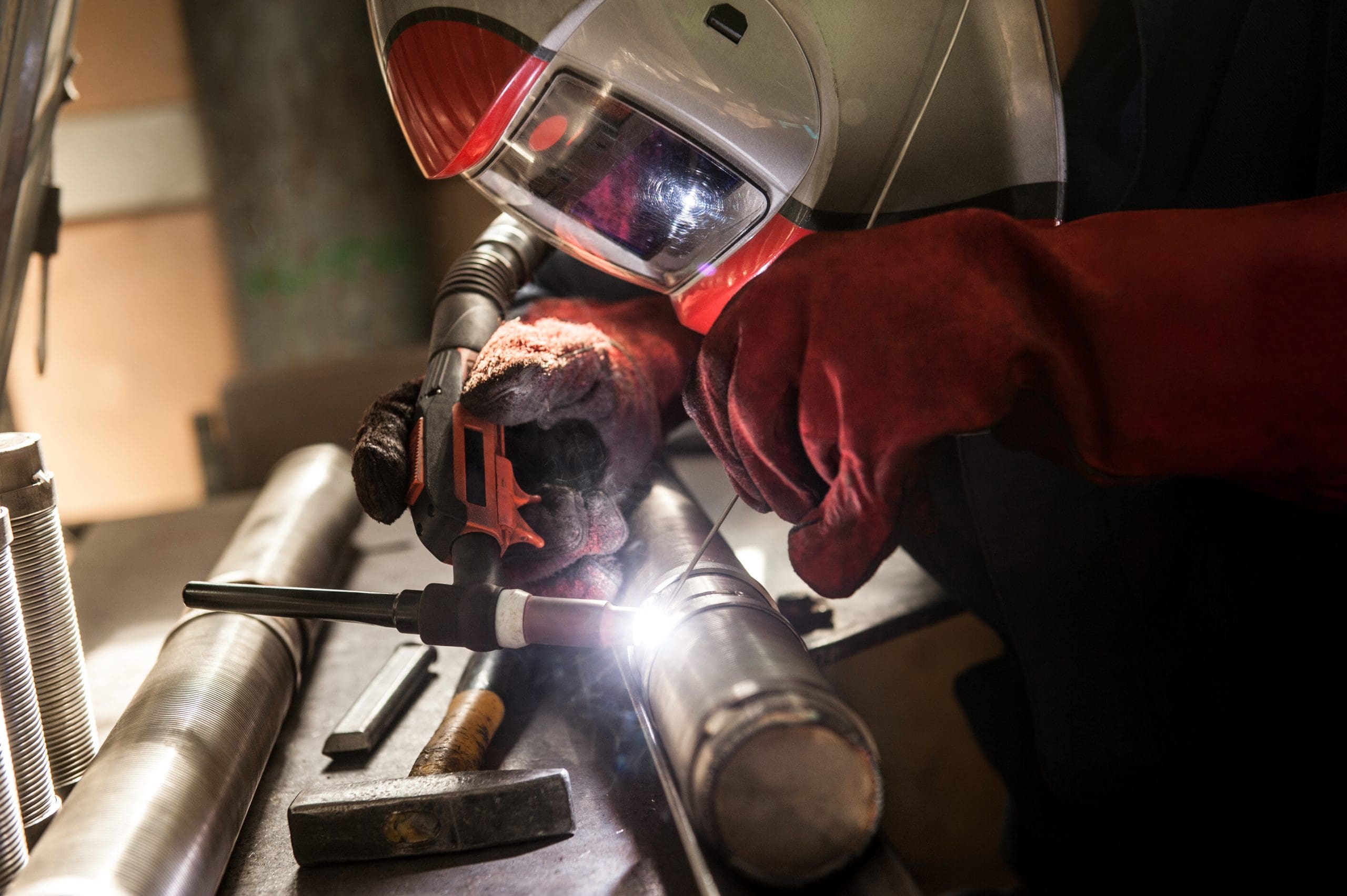
In power distribution, keep harmonic loads in mind. Modern drives and switching supplies can create noise that trips sensors or cooks components. Separate VFD power from control wiring physically and through dedicated grounds. Use line reactors or filters when vendors recommend them. If your machine runs near a big welder in the same bay as the steel fabricator, expect noise and design accordingly.
Controls and diagnostics that help the person with the wrench
Fault messages that say “Alarm 37” are an act of sabotage. A good control system tells the technician what happened, where, and what to check first. Build fault trees and group alarms with context. A jam in Station 3 should call out the specific sensor that tripped, show its state, and log upstream conditions that led to it. Give the HMI a maintenance view with raw I/O indicators, analog trends, and valve/actuator manual controls with clear interlock indicators. If you implement bypasses for troubleshooting, make them explicit and time-limited with permission levels, not hidden toggles.
Logging matters. A simple rolling buffer of the last minute of relevant signals sampled at useful rates can change the way you solve problems. Trend motor load, air pressure, vacuum level, conveyor speed, photoeye counts, and temperature where relevant. Provide a standard export method so a technician can email a CSV to the engineering team without special software.
When a machine includes vision or robotic elements, create a lower-speed “service mode” with simplified sequencing and clear prompts, not a secret incantation of button presses. The best systems I’ve seen were built by industrial machinery manufacturing teams that paired controls engineers with senior mechanics during development. That partnership creates controls that feel like tools, not obstacles.
Spare parts defined by failure modes, not gut feel
Spare parts lists often read like catalogs. Too many of the wrong items, too few of the critical ones. Build the list from a failure mode and effects analysis, but keep it grounded. Rank components by likelihood and downtime impact. For each high-impact item, define a realistic mean time to repair with and without a spare. If you can rebuild a cylinder from a kit in 30 minutes, you might stock kits instead of whole cylinders. If a custom machined hub from the machine shop takes two weeks to reproduce, stock one and keep the drawing clean and current.
Document location and installation notes with photos. QR codes on critical assemblies that link to a digital manual with torque specs, part numbers, and a short video of the replacement procedure will save hours. The difference between a good manufacturer and a great partner is that the latter hands over documentation that reads like advice from a colleague, not a legal packet.
Build discipline that survives turnover
A lot of custom equipment runs for years. Teams change. The best designs assume that institutional memory will fade. Stamp revision levels on plates where techs can see them. Keep a simple change log attached to the machine in a weatherproof envelope or a persistent digital record accessible through the HMI. Avoid one-off tribal knowledge, like “tap this solenoid if it sticks,” by either fixing the root cause or documenting a workaround with intent and timelines.
Training is part of design. When we delivered a complex assembly line to a manufacturer that runs three shifts and sees regular operator rotation, we designed short modules for training: 15 minutes on the HMI, 15 on daily checks, 30 on monthly service. Each module included live practice on the real machine with guided prompts in service mode. The failure rate in the first month dropped by half compared to similar deployments without that structured handoff.
Fabrication choices that simplify service
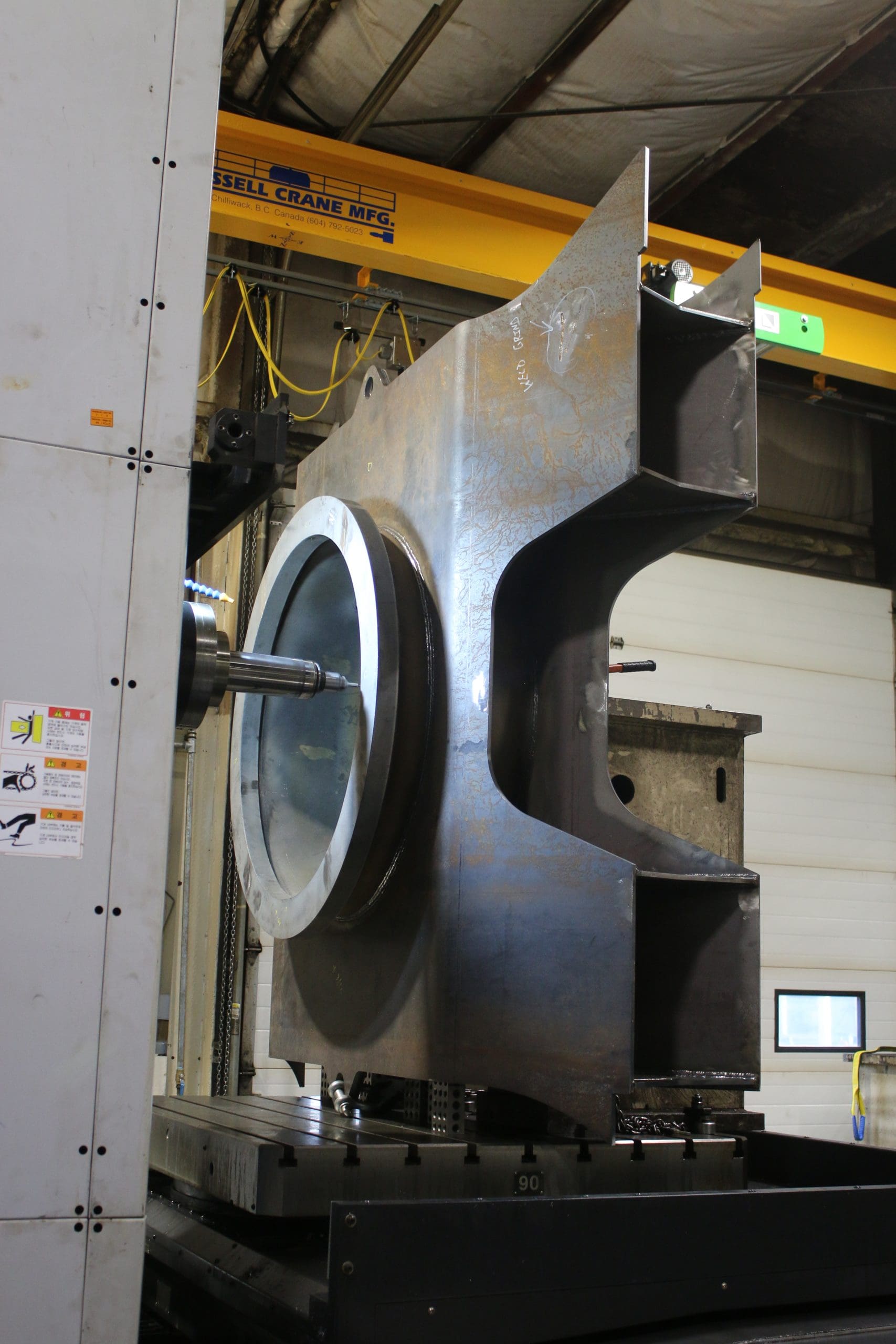
A cnc metal fabrication capability opens options. Laser or plasma cut access ports with clean edges and protective grommets beat rough torch cuts every time. If your steel fabricator can do bend reliefs and precise tabs, you can design guards and panels that assemble and disassemble in predictable sequences without prying. Use press-fit bushings in pivot points that can be replaced without touching the frame. In weldments, fixture datums into the design so that future replacement parts align reliably, even if a different shop produces them. That means critical holes bored post-weld, not drilled by hand.
Welders are craftspeople, and a welding company that knows your service intent will build to it. Communicate. Ask for grinding allowances where seals will seat. Specify seal-welds only where they matter. Over-welding generates distortion that complicates later alignment. Share load paths and connection points so fabricators don’t guess. When the machinist knows a face is a bearing mount and will see repeated disassembly, they will protect it during fabrication and finishing, and you reward that care by designing covers that keep it clean in use.
Tolerances that align with reality
Over-tolerancing drives cost and delays. Under-tolerancing invites misalignment that shows up as bolts pulled sideways and couplings that eat themselves. For assemblies that will be serviced, consider tolerance stacks during reassembly. Use pilot diameters and tapered pins to guide parts into place without forcing bolts to align holes. If your cnc metal cutting process gives you true position to within a half millimeter on plates, don’t pretend it will act like a ground reference during field service. Where precision matters, add machined pads and datum faces, then protect those faces with covers.
Use flexible couplings where alignment is service-sensitive and check angular misalignment allowances across temperature ranges. A small investment in floating mounts and shims will make in-situ alignment practical. Leave shims in place and document counts in the build notes. That way, when a gearbox is swapped, the tech knows what stack to start with.
Software lifecycle, backups, and the day after commissioning
Most downtime horror stories have a software twist. Someone changes a timer, a vendor updates a drive firmware, a laptop dies with the only good copy of a robot program. Bake backup processes into the design. The HMI should provide a guided backup of PLC, HMI, and drive parameters to a removable medium and a network location. Include a checksum and a date stamp visible on the maintenance screen so techs can verify currency. Protect write access with permissions, not superstition.
Plan for over-the-air or remote support only if the plant’s IT policy allows it, and even then, make sure the machine can be maintained fully offline. Document firmware versions and compatibility notes. When the machining manufacturer supplies a servo with a newer firmware, test it on a bench and update the BOM with the accepted version. If you’ve ever watched a line sit while a vendor tries to roll back a drive you’ll appreciate how much chaos that prevents.
Safety that speeds maintenance, not blocks it
Good safety design protects people without turning maintenance into a series of workarounds. Lockable energy isolation points at reach height, clear labeling, and trapped key systems that make safe states obvious reduce the temptation to bypass guards. Design guards to remove and reinstall quickly. If a guard must be opened often for clearing, interlock it with a safety-rated monitored latch and build a “jog with hold-to-run” mode that allows slow movement in a safe envelope. Operators will use the safe mode if it is quicker than cheating. That isn’t moral commentary, it’s practical behavior design.
Include visual cues, like colored edges on pinch points and “safe reach” markings on platforms. Work with a certified safety engineer early. It is possible to meet standards while making the machine easier to service. The best results come from integrating safety into the flow rather than bolting on light curtains at the end.
Commissioning as rehearsal for maintenance
Commissioning shouldn’t just prove that the machine works. It should prove that it can be serviced. After you run the product and hit nominal cycle rates, stop and stage a few “fake” failures. Swap a belt, replace a sensor, change a filter, pull a servo. Time it. Watch the movements. Note which tools were missing and which steps confused the tech. Use that feedback to tweak brackets, add clearance, and update the manual. This is the cheapest downtime you’ll ever buy.
During one project, we realized a vacuum generator mounted deep inside a frame would take an hour to replace because of a rigid tube routing choice. Relocating it to a bracket near the frame’s edge and switching to push-to-connect fittings cut the swap to eight minutes. That change was invisible in normal operation and invaluable afterwards.
Economics that respect the real cost of downtime
A plant manager will always ask about cost. The right answer includes the cost of not running. If your contract manufacturing quote is a few percent higher because it adds hoist points, service space, and standard components, tie those dollars to minutes saved. A mid-volume packaging customer calculated that each minute of downtime cost between 400 and 1,200 dollars depending on the shift. One 30-minute prevented delay pays for a lot of stainless standoffs and spare photoeyes.
Still, choose your battles. Gold-plating every bracket is not maintainability, it is indulgence. Focus spend on high-frequency service items and high-impact failures. Optimize the rest for good-enough reliability. This is where the judgment of a seasoned machinery parts manufacturer pays off. They know which surfaces will see a wrench twice a week and which ones might never be touched.
Collaboration across disciplines
No single role sees the whole machine. Industrial manufacturer The industrial design company that shapes guards and ergonomics must collaborate with the steel fabricator who knows how that geometry will warp, the machining manufacturer who will cut the critical faces, and the controls team who must reach the sensors after assembly. Bring those voices together at the design review. Put the CAD on a large screen and ask the machinist, “How would you fixture this?” Ask the maintenance lead, “What will you curse when this fails?” Then listen and change the design in the room.
I’ve seen contract manufacturing projects where the early inclusion of the machine shop saved weeks by shifting a complex welded frame into two simpler weldments with a bolted interface that made transportation, finishing, and later service easier. The second design was less glamorous, more modular, and far more maintainable.
Documentation that is honest and useful
Write manuals like you’re handing the machine to a future version of yourself who is tired and in a hurry. Step-by-step procedures with clear photos taken on the actual build, not renderings. Part numbers next to images. Torque specs where they matter. A troubleshooting section organized by symptom, not component. Cut the fluff. Include the drawings that the plant will need to remake wear plates and brackets locally if supply chains tighten. The difference between a contractor and a long-term partner often comes down to whether your documentation helps on the worst day.
If you can, package a digital manual on the HMI with search, and print laminated quick-reference sheets for daily, weekly, and monthly checks. Those sheets should fit in a pocket and survive grease. They will get used if they are real and short.
A short checklist that catches most mistakes
- Can one person remove and replace each wear item safely with common tools in under 30 minutes? Are all electrical, pneumatic, and mechanical components labeled clearly and consistently in the field, panel, and manual? Do operators have a safe, fast way to clear jams without bypassing safety? Are critical spares identified by downtime impact, with on-hand quantities agreed with the plant? Have you staged and timed at least three likely maintenance tasks during commissioning?
Realistic examples that pay off
A metal fabrication shop delivered a forming press retrofit that originally grouped all lubrication points in one bank. Smart idea, poor placement. The lube block sat behind hot piping that required gloves and a long reach. The team moved the block to a cooler zone, added a sight glass, and put a drip tray with a drain. Lubrication compliance went from sporadic to daily. Bearing life doubled. The change was minor in cost, major in uptime.
In another case, a machining manufacturer supplied a shaft assembly with a proprietary coupling that required a special puller. One went missing. The line stopped for two hours while someone drove across town. The fix was not only to stock extra pullers, but to redesign the next batch with a standard coupling that uses off-the-shelf tools. Future repairs took 20 minutes instead of a scramble.
A packaging line’s HMI had a fault that read “Axis Fault 09.” Techs spent weeks developing folklore to interpret it. We changed the program to display “Station 2 Conveyor Overload - Check idler at position 3, inspect debris under belt.” The fault occurred twice the next week, both cleared in under five minutes. People care for equipment when it cares for them.
Bringing it together
Designing for maintainability and uptime isn’t an aesthetic. It is a practical commitment that starts in scoping and runs through fabrication, assembly, and support. It shows up in where you place a valve, how you route a cable, which fastener you choose, and what your HMI says when things go wrong. It values access over sleekness, standardization over novelty, visibility over mystery.
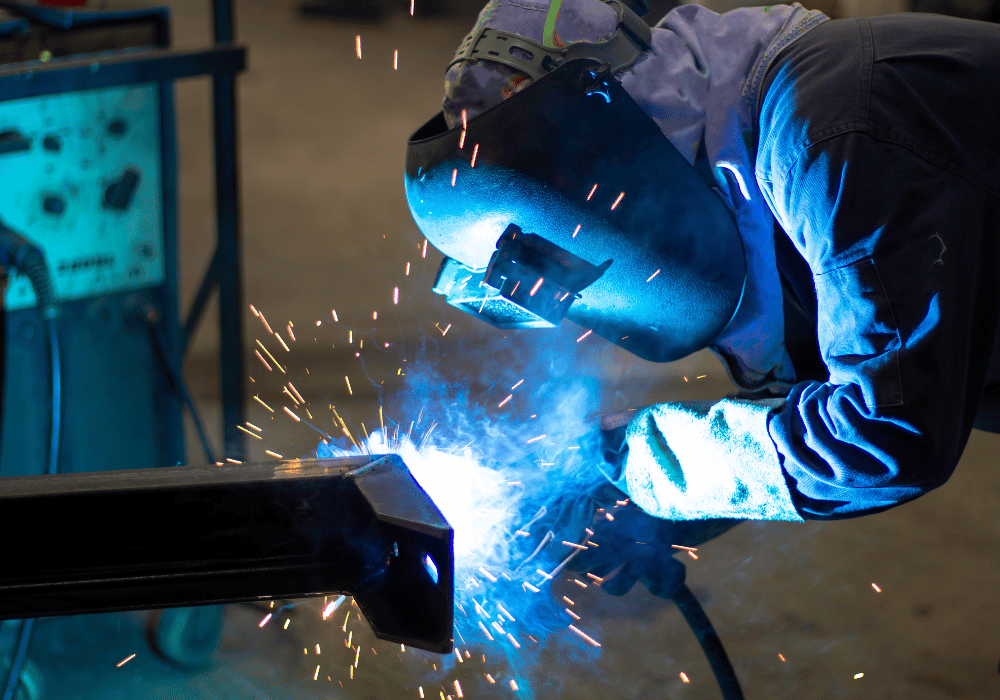
Work with a steel fabricator who invites you to the floor during fit-up. Choose a machinery parts manufacturer who returns your drawing with three redlines that save a service hour. Lean on the machine shop’s instinct for how parts wear. Respect the operator’s hands and the maintenance tech’s calendar. If your team spans an industrial design company, a Manufacturer with deep industrial machinery Machinery parts manufacturer manufacturing experience, and a thoughtful welding company, you have the ingredients. The rest is discipline.
Your next custom metal fabrication project can be the one that runs more than it rests, that gets praised at shift change, not blamed. Build it so the failure modes are narrow, the recovery fast, and the people supported. Do that, and uptime becomes more predictable, costs stay honest, and the equipment earns its keep day after day.
Waycon Manufacturing Ltd
275 Waterloo Ave, Penticton, BC V2A 7N1
(250) 492-7718
FCM3+36 Penticton, British Columbia
Manufacturer, Industrial design company, Machine shop, Machinery parts manufacturer, Machining manufacturer, Steel fabricator
Since 1987, Waycon Manufacturing has been a trusted Canadian partner in OEM manufacturing and custom metal fabrication. Proudly Canadian-owned and operated, we specialize in delivering high-performance, Canadian-made solutions for industrial clients. Our turnkey approach includes engineering support, CNC machining, fabrication, finishing, and assembly—all handled in-house. This full-service model allows us to deliver seamless, start-to-finish manufacturing experiences for every project.